
Integrating Operations Analysis, UX Design, and Process Improvement: A Formal Case Study
CASE STUDIES
Musa
1/7/20262 min read


Goals
To understand how operational trade data flows through a banking environment and assess how user experience design can reduce friction in trade processing, exception handling, and decision-making.
Methods and Tools Used
This case study documents a personal operations simulation inspired by real-world banking workflows within institutions such as Lloyds Bank. The project focused on how trade data moves across operational teams and how unclear data structures or interface design can introduce delays, errors, and operational risk.
The primary objectives were to:
Map a realistic trade operations workflow
Design a structured system to track assets, SLAs, settlements, and exceptions
Evaluate how UX design principles could improve data clarity and operational efficiency
Tools & Methods Used
The project began with workflow mapping to model a simplified end-to-end trade operations process, including trade capture, settlement tracking, SLA monitoring, and exception escalation.
A structured Trade Operations Log was designed using Excel to simulate how operational teams might track:
Asset types
Settlement status
SLA deadlines
Exception flags and resolution status
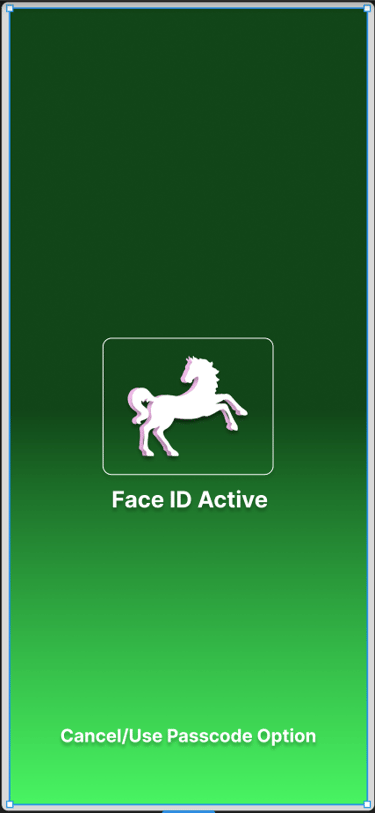
Alongside this, a UX audit of the Lloyds Banking interface was conducted, focusing on:
Visual hierarchy
Consistency of UI elements
Readability of key operational information
Interaction patterns affecting speed and accuracy
UX heuristics and interface analysis were applied to identify areas where design decisions could unintentionally increase cognitive load or slow decision-making.
Outcomes & Learnings
The simulation demonstrated how clearer data structuring and improved visual hierarchy can support faster exception identification and reduce the likelihood of operational oversight. By separating critical fields, standardising labels, and prioritising time-sensitive information, the redesigned structure improved clarity and usability.
From a professional perspective, this project strengthened my understanding of:
How UX directly impacts operational efficiency, not just aesthetics
The importance of data clarity in risk-sensitive environments
The relationship between operations, decision-making, and interface design
It also reinforced the value of user-centred thinking in back-office and operational roles, where efficiency and accuracy are critical.